
White Vans look fresh and versatile, but keeping them clean can be challenging. Canvas uppers collect dust, rubber sidewalls develop dark scuff marks, and everyday wear can leave white shoes looking gray or dull. The good news is that you can clean most white Vans at home without expensive equipment.
The safest approach is to clean them by hand using a mild cleaning solution, a soft brush, and a little patience. However, the right method depends on the material. White canvas Vans can usually handle gentle damp cleaning, while suede and leather require more specialized care.
In this guide, you’ll learn how to clean white Vans step by step, remove stubborn stains, brighten dirty rubber soles, wash the laces, and dry your shoes properly. You’ll also discover which cleaning methods to avoid so you don’t accidentally damage the fabric, stitching, or adhesive.
What You Need to Clean White Vans
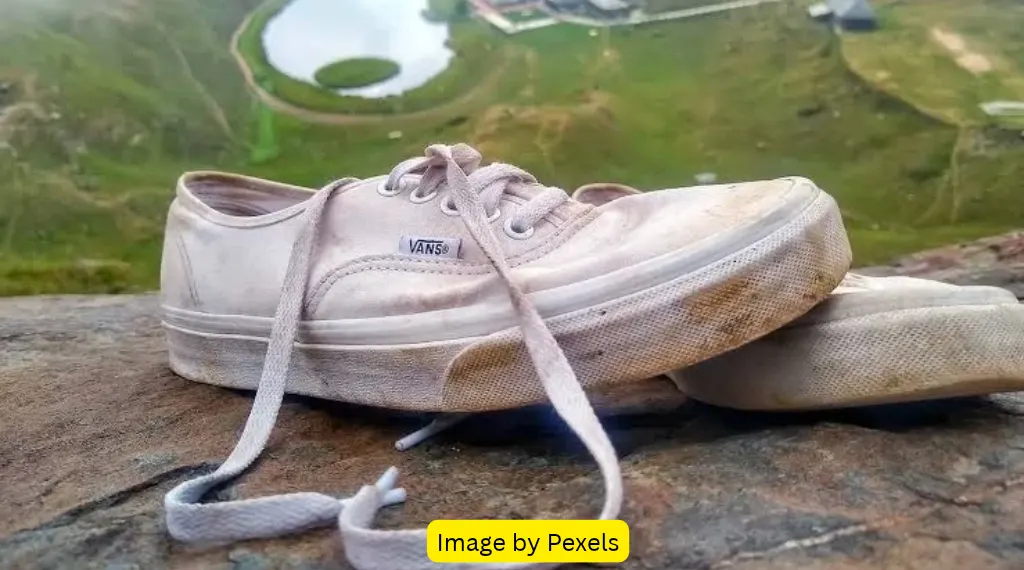
Before starting, gather a few basic supplies. You probably already have most of them at home.
| Cleaning supply | What it’s used for |
|---|---|
| Soft-bristled brush | Removing loose dirt and cleaning canvas |
| Mild laundry detergent | Cleaning fabric uppers |
| Mild dish soap | Removing everyday dirt and grime |
| Small bowl | Mixing a gentle cleaning solution |
| Microfiber cloth | Wiping away soap and dirt |
| Clean towel | Blotting excess moisture |
| Old toothbrush | Cleaning seams and small areas |
| Magic eraser | Removing marks from compatible rubber surfaces |
| Shoe tree or plain paper | Helping shoes maintain their shape while drying |
You don’t need to use every item for every cleaning session. For ordinary dirt, a soft brush, mild soap, water, and a clean cloth are usually enough.
Avoid starting with strong chemicals or abrasive cleaning products. They can affect the appearance of white fabric, damage stitching, or leave unwanted marks.
Check What Material Your White Vans Are Made Of
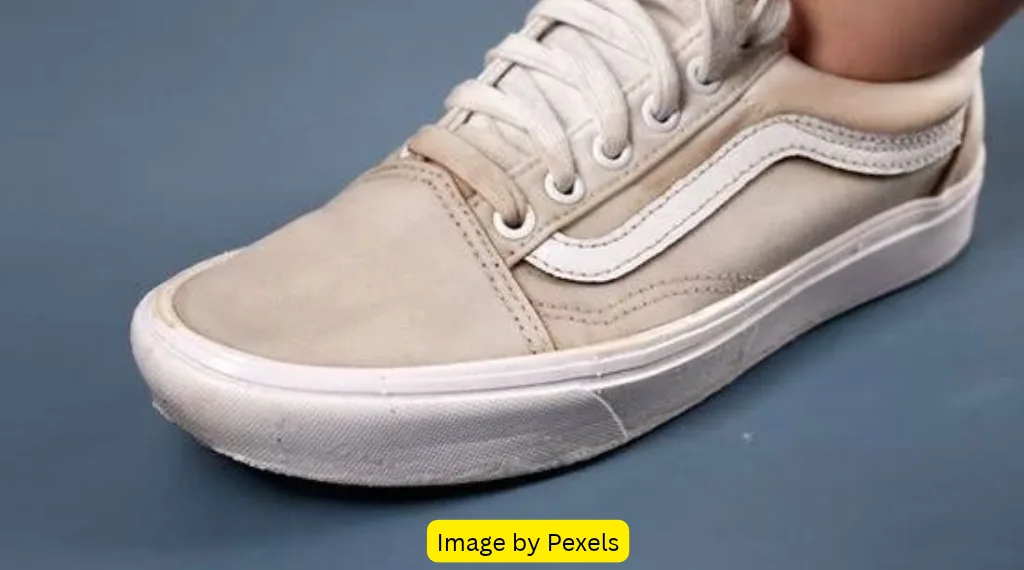
Before applying water or cleaner, identify the material of your shoes. Not every Vans style can be cleaned in exactly the same way.
Canvas Vans: Many classic white Vans have canvas uppers. These can generally be cleaned with a soft brush, diluted mild detergent, and careful wiping.
Suede Vans: Suede is more delicate. Excessive water can create watermarks or change the texture, so use a suede brush and a cleaner specifically designed for suede.
Leather Vans: Leather requires a different approach. Remove surface dust with a soft cloth and use a suitable leather cleaner when necessary.
Rubber soles and sidewalls: The rubber portions can usually be cleaned separately with mild soapy water or a suitable rubber-cleaning sponge.
Always check the care information supplied with your particular shoes. If you’re unsure whether a product is safe, test it on a small, inconspicuous area first.
How to Clean White Canvas Vans Step by Step
For most white canvas Vans, gentle hand-cleaning is the safest starting point. You can remove everyday dirt without soaking the entire shoe or exposing it to harsh chemicals.
Remove the Shoelaces and Insoles
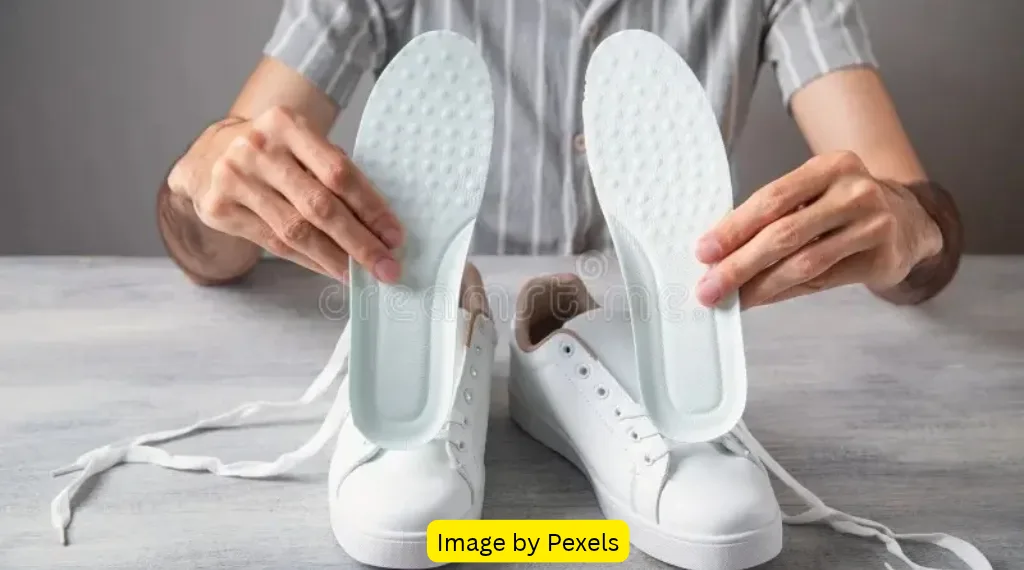
Start by taking out the shoelaces. If the insoles are removable, take those out too.
Removing these parts makes it easier to reach areas around the tongue, eyelets, and inside edges. It also prevents dirt from collecting underneath the laces while you clean.
Set the laces aside for separate cleaning. If the insoles are removable, clean them separately according to their material and care instructions.
Brush Away Loose Dirt
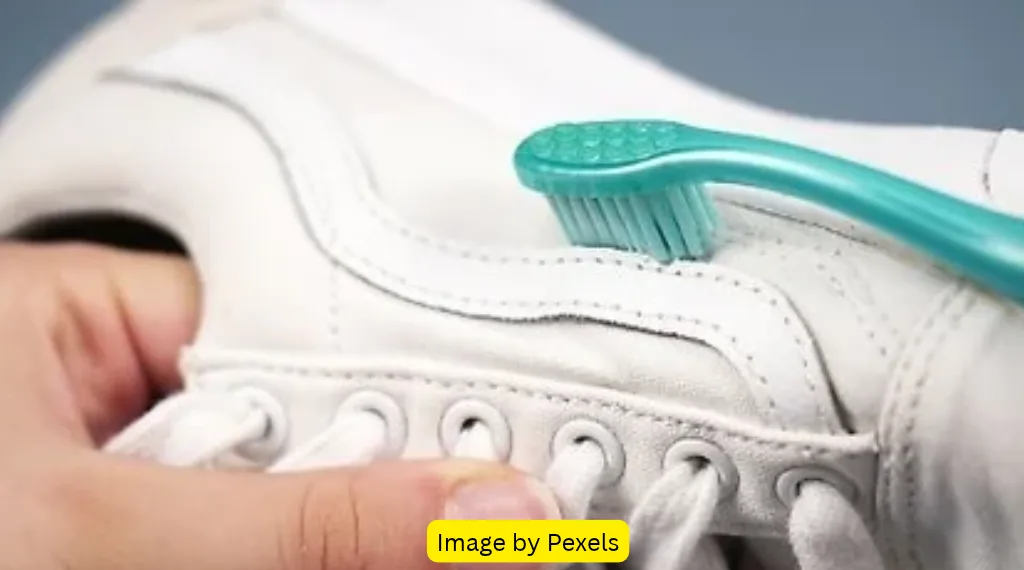
Use a dry, soft-bristled brush to remove dust, dried mud, and loose dirt from the canvas.
Brush gently across the upper, paying attention to the toe area, sides, seams, and areas close to the rubber sole.
Do this before adding water. If you immediately scrub dirty canvas while it’s wet, loose particles can spread and make the stain harder to remove.
For stubborn dried mud, let it dry completely and brush it away rather than rubbing it into the fabric.
Prepare a Mild Cleaning Solution
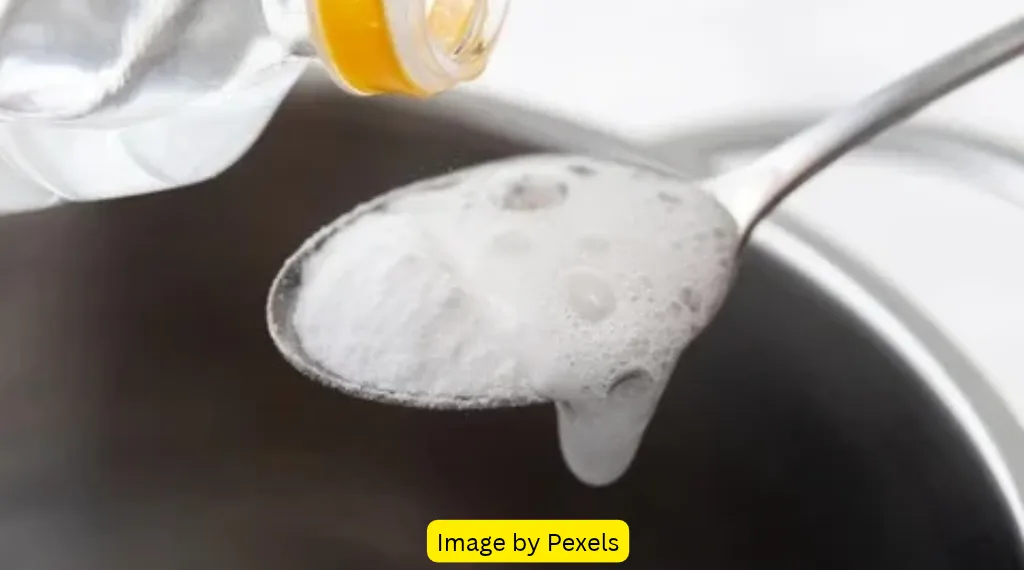
Fill a small bowl with lukewarm water and add a few drops of mild laundry detergent or gentle dish soap.
Mix until the water is lightly soapy. You don’t need a thick foam or a concentrated mixture.
Avoid using hot water, bleach, or strong household cleaners. A mild solution is generally a better choice for routine cleaning.
Gently Scrub the Canvas
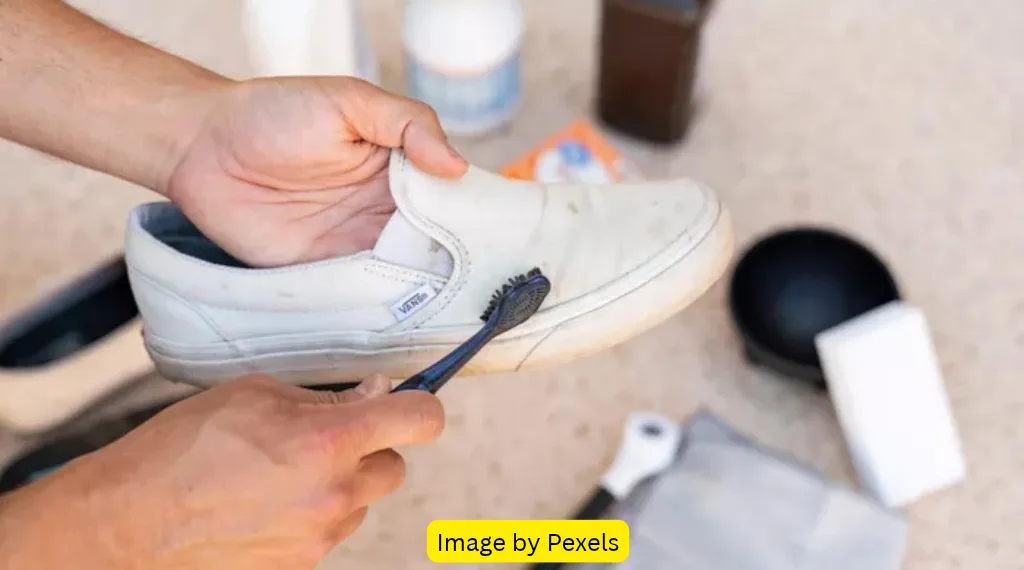
Dip a soft-bristled brush into the cleaning solution and remove excess water before touching the shoe.
Work in small sections using gentle circular movements. Start with the least dirty areas and gradually move toward more heavily soiled spots.
Pay particular attention to:
- The toe area, where dirt and scuffs often collect
- The sides of the shoe
- Areas around the eyelets
- The fabric close to the rubber sidewalls
- Seams where dust can accumulate
Avoid pressing too hard. Aggressive scrubbing can roughen the canvas or affect its appearance.
If a stain doesn’t disappear immediately, repeat the gentle cleaning process rather than switching straight to a harsh chemical.
Wipe Away Soap Residue
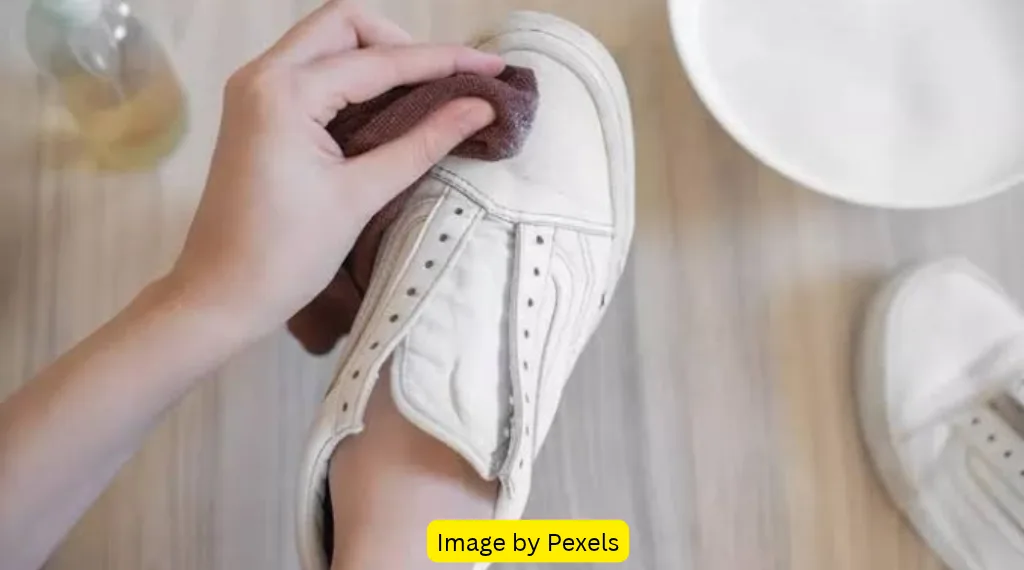
After cleaning the canvas, dampen a clean microfiber cloth with fresh water.
Wring it out so it is not dripping wet. Gently wipe the cleaned areas to remove soap and loosened dirt.
Rinse the cloth frequently as it collects dirt. Avoid pouring water directly over the shoes or submerging them.
Leaving detergent residue on white canvas can make the surface look dull, so take your time with this step.
Blot the Shoes and Let Them Air-Dry
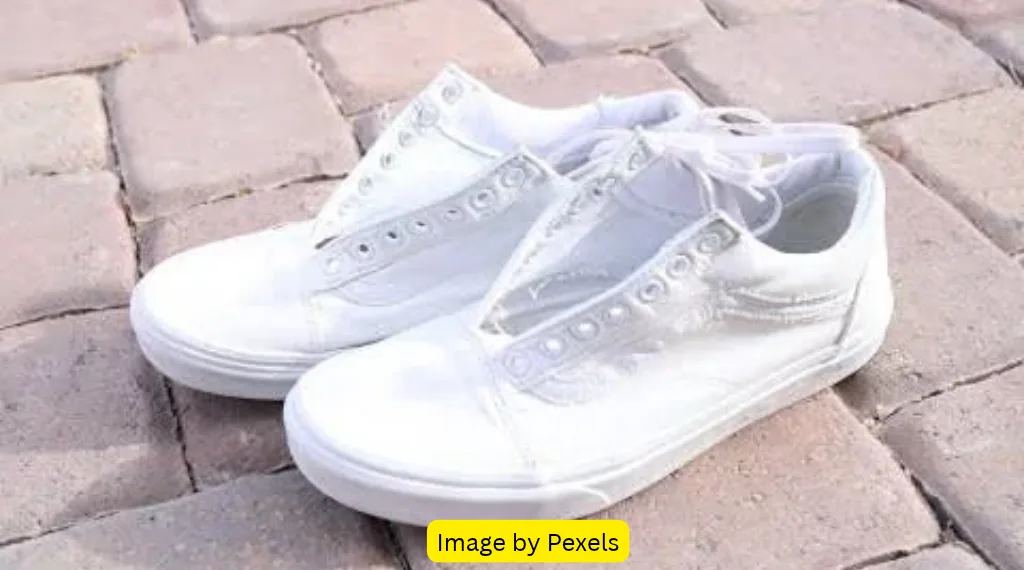
Use a clean towel to gently blot excess moisture from the canvas.
Place plain paper or a shoe tree inside each shoe to help maintain its shape while drying. Avoid using printed newspaper if ink could transfer to the material.
Let your Vans dry naturally in a well-ventilated area at room temperature. Keep them away from radiators, hair dryers, tumble dryers, and other direct heat sources.
Make sure the shoes are completely dry before putting the laces and insoles back in.
How to Clean the White Rubber Soles on Vans
Even when the canvas looks clean, dirty rubber sidewalls can make white Vans appear worn out.
The rubber sole and sidewall should be cleaned separately from the fabric upper. This helps prevent dirt from the rubber transferring onto the canvas.
Start by brushing away loose dust and dried dirt. Then use a damp cloth with a small amount of mild dish soap to wipe the rubber.
For stubborn marks, a melamine cleaning sponge, commonly called a magic eraser, may help on compatible rubber surfaces. Dampen it slightly, squeeze out excess water, and test it on a small area first.
Use gentle pressure and avoid rubbing the sponge against the canvas. Melamine sponges are mildly abrasive and may affect fabric finishes.
Wipe away any remaining residue with a clean damp cloth and dry the rubber with a towel.
If the rubber has become permanently discolored or yellowed with age, ordinary surface cleaning may not restore its original appearance. Don’t keep scrubbing harder in an attempt to remove discoloration that isn’t surface dirt.
How to Remove Stubborn Stains From White Vans
Some marks need more attention than ordinary dirt. The safest approach is to identify the type of stain before choosing a cleaning method.
Removing Mud Stains
Allow wet mud to dry before cleaning. Once it has dried, brush away as much loose dirt as possible.
Prepare a mild detergent solution and gently work it into the remaining mark using a soft brush.
Wipe the area with a clean, damp cloth to remove the loosened dirt and soap residue. Repeat if necessary.
Avoid rubbing wet mud aggressively into the canvas because this can spread the stain.
Removing Grass Stains
Grass stains can be difficult because they may leave colored residue in the fabric.
Begin with a mild detergent solution. Apply a small amount to the affected area and gently work it into the canvas with a soft brush.
Let the cleaner sit briefly according to its product directions, then wipe the area with a damp cloth.
If the stain remains, use a fabric stain remover specifically labeled as suitable for the shoe material. Test it in an inconspicuous area first.
Don’t assume that a stronger chemical will produce a better result. Some products can cause fading or uneven discoloration.
Removing Scuff Marks
Scuff marks on the rubber sidewalls are often easier to remove than stains on the canvas.
Try wiping the area with a damp microfiber cloth and mild soap first.
For marks that remain, use a slightly damp melamine sponge on the rubber only. Apply light pressure and avoid the fabric upper, printed details, and colored trim.
If the mark is actually damage to the rubber rather than transferred dirt, cleaning may not remove it completely.
Removing Yellow Marks From White Vans
Yellow discoloration can have several causes, including residue, material aging, adhesive changes, and previous cleaning attempts.
Start by checking whether the yellowing is on the fabric, rubber, or both.
For surface dirt or detergent residue, gently clean the affected area with a mild solution and wipe it thoroughly with a clean damp cloth.
If the discoloration remains after cleaning, it may not be ordinary dirt. Avoid repeatedly applying bleach, peroxide, or other whitening mixtures without confirming that they are suitable for the shoe material.
For more information about yellowed sneaker soles, see our guide on how to clean yellow soles on white sneakers.
How to Clean White Vans Shoelaces
White shoelaces can become gray or stained even when the rest of the shoes look relatively clean.
Fortunately, they can usually be cleaned separately.
Remove the laces and brush away loose dirt. Fill a small bowl with lukewarm water and add a little mild laundry detergent.
Place the laces in the solution and gently move them around. If the care instructions allow soaking, let them sit briefly before rubbing any remaining dirt away with your fingers.
Rinse thoroughly with clean water until the detergent is removed.
Press the laces gently between a clean towel to remove excess water. Allow them to air-dry completely before putting them back into your shoes.
Avoid using chlorine bleach unless the lace manufacturer specifically confirms it is safe. Bleach can weaken fibers and may cause unwanted discoloration.
How to Clean White Suede Vans
White suede Vans need a different cleaning method from canvas shoes.
Suede has a textured surface that can be damaged by excessive moisture and aggressive scrubbing. Using the same soapy-water method recommended for canvas may leave watermarks or change the texture.
Follow these steps instead:
- Make sure the suede is dry before cleaning.
- Use a suede brush to remove loose dust and surface dirt.
- Brush gently in the direction of the suede’s natural texture.
- For stubborn marks, use a suede eraser or a cleaner specifically designed for suede.
- Follow the product instructions and test it on a hidden area first.
- Allow the shoes to dry naturally if any moisture was used.
Avoid soaking suede Vans or scrubbing them with an ordinary wet toothbrush.
If your shoes have mixed materials, protect the suede sections while cleaning other parts.
How to Clean White Leather Vans
White leather Vans also require a gentler method than canvas shoes.
Start by wiping away loose dust with a dry, soft microfiber cloth.
For ordinary surface dirt, dampen a clean cloth and use a small amount of leather-safe cleaner if needed. Work gently over the affected area rather than saturating the leather.
Remove cleaner residue according to the product instructions and let the shoes dry naturally.
Once dry, you may use a suitable leather conditioner if recommended for the particular finish.
Avoid household bleach, abrasive brushes, excessive water, and cleaners that are not intended for leather. These can damage the finish or leave the surface looking uneven.
Can You Put White Vans in the Washing Machine?
It’s tempting to put dirty white Vans in the washing machine, especially when they look badly stained. However, hand-cleaning is generally the safer choice.
Vans’ care guidance advises against machine washing because the process can affect the shoe’s structure and adhesive. This is particularly important for shoes with suede, leather, mixed materials, or delicate construction.
A washing machine can expose shoes to:
- Excessive water
- Repeated movement and friction
- Damage to stitching or decorative details
- Changes in shape
- Possible weakening of adhesive
- Uneven cleaning or detergent residue
Even if a particular pair appears to be made entirely of canvas, check its care instructions before considering machine washing.
For the best chance of preserving the shape and appearance of your shoes, clean them by hand.
Can You Use Bleach to Clean White Vans?
Bleach may seem like an easy way to brighten white shoes, but it is not a good routine cleaning choice.
Chlorine bleach can weaken fabric fibers, affect stitching, and cause unwanted discoloration. It may also produce uneven results rather than restoring the shoes to a consistent white appearance.
Instead, begin with a mild detergent solution. If a stubborn stain remains, consider a fabric-safe stain remover that specifically states it is suitable for the shoe material.
Always follow the product instructions and test it on a hidden area before treating the visible upper.
Also avoid mixing cleaning chemicals. Never combine bleach with vinegar, ammonia, or other household cleaners.
Common Mistakes to Avoid When Cleaning White Vans
A few common cleaning mistakes can turn a simple shoe-cleaning task into an expensive replacement.
Using too much water: Excessive moisture can affect the shoe’s construction and may leave marks on certain materials. Use a damp brush or cloth rather than soaking the shoes.
Scrubbing too aggressively: Hard brushing can roughen canvas and damage delicate surfaces. Use gentle pressure and repeat the cleaning process when necessary.
Applying bleach directly: Chlorine bleach can weaken fibers and cause discoloration. Use mild detergent or a suitable material-specific cleaner instead.
Using a magic eraser on canvas: Melamine sponges are mildly abrasive. Reserve them for compatible rubber surfaces and keep them away from fabric uppers.
Drying with direct heat: Radiators, hair dryers, and tumble dryers can affect materials and adhesives. Allow your Vans to air-dry naturally.
Cleaning all materials the same way: Canvas, suede, and leather have different care requirements. Identify the material before choosing a cleaning solution.
Putting the shoes away while damp: Damp shoes can develop unpleasant odors. Let them dry completely before storing or wearing them.
How to Keep White Vans Clean for Longer
Cleaning your shoes regularly is easier than waiting until dirt and stains become difficult to remove.
Use these simple habits to maintain their appearance:
- Brush away loose dust after wearing your Vans in dirty conditions.
- Wipe rubber sidewalls when you notice fresh marks.
- Clean small stains before they become harder to remove.
- Avoid wearing white canvas shoes in muddy or extremely wet conditions when possible.
- Store your shoes in a clean, dry, well-ventilated place.
- Allow shoes to dry completely before putting them away.
- Consider a fabric protector labeled as suitable for your shoe material, following its instructions.
- Clean the laces separately when they begin to look gray or dirty.
A little maintenance after regular wear can reduce the need for intensive cleaning.
Frequently Asked Questions
How often should I clean white Vans?
It depends on how often you wear them and where you use them. Wipe away small marks when they appear and give the shoes a more thorough cleaning when visible dirt builds up. Avoid unnecessary deep cleaning because repeated moisture and scrubbing can wear down materials over time.
What is the safest way to clean white canvas Vans?
Use a soft-bristled brush, lukewarm water, and a small amount of mild detergent. Gently clean the canvas in sections, wipe away soap residue with a clean damp cloth, and let the shoes air-dry naturally.
Can I use baking soda to clean white Vans?
Baking soda is sometimes used in homemade shoe-cleaning mixtures, but it is not necessary for routine cleaning. Its abrasive texture may affect delicate surfaces if rubbed aggressively, and residue can be difficult to remove from fabric. A mild detergent solution is a better first choice.
Can I use toothpaste to clean white Vans?
Toothpaste is not designed specifically for shoe materials. Some formulas contain abrasive particles, whitening agents, or other ingredients that may leave residue or affect the finish. Use a shoe-safe cleaner or mild detergent instead.
How do I clean the white rubber around Vans?
Start with a damp cloth and mild soapy water. For stubborn marks, a slightly damp melamine sponge may help on compatible rubber. Use it gently and avoid contact with the canvas upper.
Why did my white Vans turn yellow after cleaning?
Yellowing can result from several factors, including detergent residue, material aging, adhesive changes, or unsuitable cleaning products. Rinse away cleaning residue carefully, avoid harsh chemicals, and let the shoes dry naturally away from direct heat.
Can I dry white Vans in the sun?
It’s better to let them dry in a well-ventilated area away from strong direct sunlight and heat. Excessive exposure can affect some materials and finishes. Natural indoor air-drying is a safer general option.
Can I clean white Vans with dish soap?
A small amount of mild dish soap diluted in lukewarm water can be suitable for cleaning many canvas Vans. Use a soft brush, avoid soaking the shoes, and wipe away all soap residue afterward. Test the solution on a hidden area first.
How do I clean white Vans without making them wet?
For light dust, use a dry soft-bristled brush or microfiber cloth. For deeper stains, completely avoiding moisture may not be possible. Use a material-appropriate cleaner sparingly and follow its instructions.
Can I use a magic eraser on white Vans?
A magic eraser may help remove marks from compatible rubber sidewalls. However, it is mildly abrasive and should not be used on canvas, suede, or leather uppers unless the material manufacturer specifically approves it.
Final Thoughts
Keeping white Vans clean doesn’t require harsh chemicals or complicated cleaning routines. For most canvas styles, a soft brush, mild detergent, and careful hand-cleaning are enough to remove everyday dirt and help maintain their appearance.
The most important thing is to match your cleaning method to the material. Canvas can generally handle gentle damp cleaning, while suede and leather need more specialized care. Clean the rubber soles separately, remove soap residue, and always let your shoes air-dry naturally.
With regular light maintenance and the right cleaning approach, you can keep your white Vans looking fresher for longer without putting unnecessary stress on the materials.
