
White suede sneakers look stylish, but they can be difficult to maintain. Unlike smooth leather or canvas, suede has a soft, textured surface that can easily show dirt, scuffs, watermarks, and stains. Even a small cleaning mistake can leave the material looking darker, flatter, or uneven.
The safest way to clean white suede sneakers is to start with dry cleaning methods. A suede brush and suede eraser can remove many everyday marks without introducing unnecessary moisture. For more stubborn stains, a cleaner specifically designed for suede may help, provided it is compatible with your shoes.
In this guide, you’ll learn how to clean white suede sneakers step by step, remove common stains, deal with watermarks, restore the soft suede texture, and protect your shoes against future dirt. You’ll also learn which household cleaning methods to avoid.
Why White Suede Sneakers Need Special Care
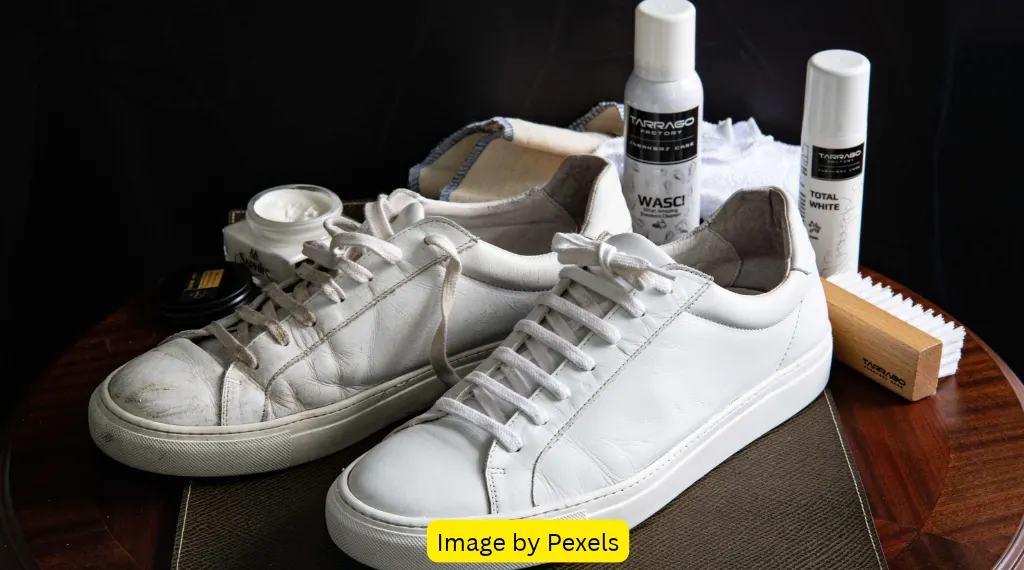
Suede is a type of leather with a soft, brushed surface called a nap. This texture gives suede shoes their distinctive appearance, but it also makes them more sensitive to certain cleaning methods.
Unlike smooth leather, suede can absorb moisture and develop visible marks when exposed to too much water. Aggressive brushing can flatten or damage its fibers, while unsuitable cleaning products may change its color.
White and light-colored suede can be particularly unforgiving because dirt and discoloration are easy to see.
Common problems include:
- Surface dirt: Dust and everyday grime collect between the suede fibers.
- Dark scuff marks: Contact with other surfaces can leave visible marks.
- Watermarks: Uneven moisture can create darker or lighter patches.
- Grease stains: Oils can penetrate the suede and become difficult to remove.
- Flattened texture: Pressure, friction, and unsuitable cleaning tools can affect the nap.
- Yellow or gray discoloration: Aging, accumulated dirt, and previous cleaning attempts can change the appearance of light suede.
The most important rule is to use the mildest method that can reasonably solve the problem. Start dry, work gently, and introduce a specialist cleaner only when necessary.
What You Need to Clean White Suede Sneakers
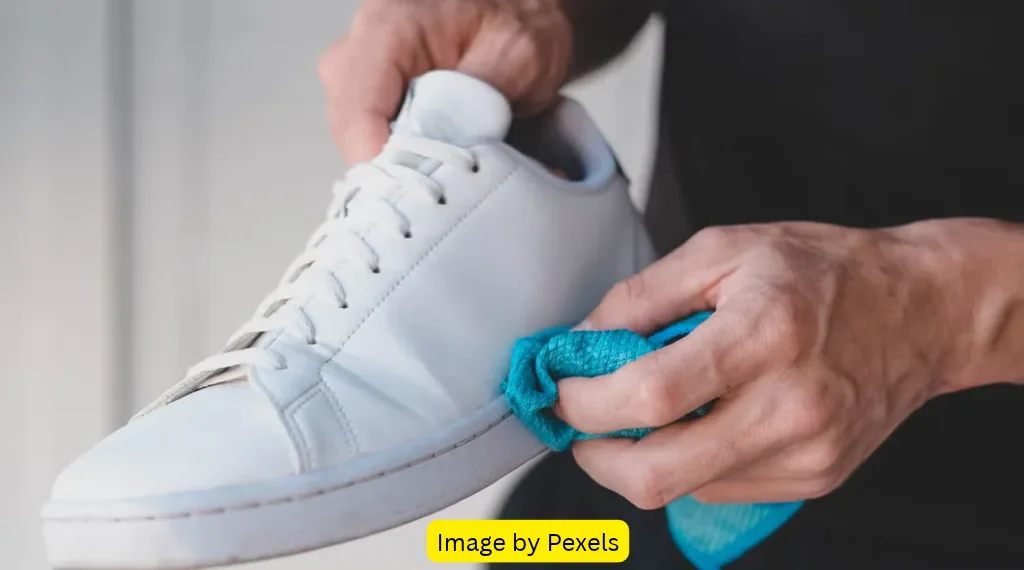
You don’t need a large collection of cleaning products. A few suitable tools are usually enough for routine suede maintenance.
| Cleaning tool | Purpose |
|---|---|
| Suede brush | Removing loose dirt and lifting the nap |
| Suede eraser | Treating small dry scuffs and surface marks |
| Soft microfiber cloth | Blotting moisture and removing residue |
| Suede-specific cleaner | Treating stubborn stains when dry methods are insufficient |
| Clean, unprinted paper | Supporting the shoe’s shape while drying |
| Suede protector spray | Helping repel some water and dirt after cleaning |
Choose brushes, erasers, and cleaning products specifically intended for suede or nubuck. A product made for smooth leather or canvas is not automatically suitable for suede.
Before using a new product, check the shoe manufacturer’s care instructions and test the product on a small, hidden area.
How to Clean White Suede Sneakers Step by Step
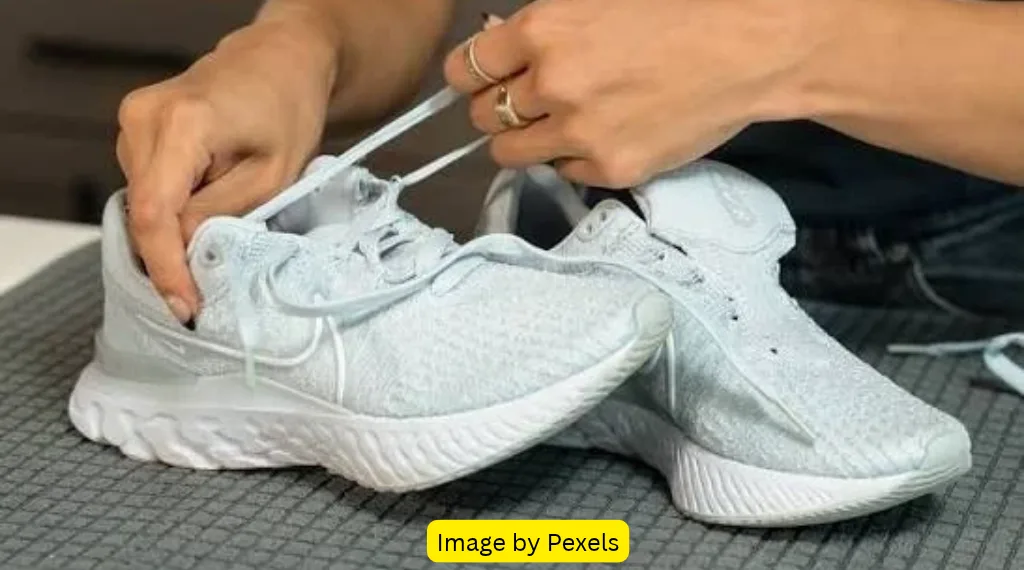
For ordinary dirt and light marks, a dry-cleaning approach is the best place to start. Follow these steps before considering stronger treatments.
Remove the Shoelaces
Remove the shoelaces so you can reach the suede around the tongue and eyelets.
Set them aside for separate cleaning. If the laces are removable insoles are present, take those out only if the shoe’s construction and care instructions allow it.
Avoid pulling or stretching the suede around the eyelets while removing the laces.
Let the Sneakers Dry Completely
If your shoes are damp from rain, mud, or cleaning, allow them to dry naturally before brushing.
Trying to remove wet dirt can spread it across the suede and push particles deeper into the surface.
Place the sneakers in a well-ventilated area at room temperature. Keep them away from radiators, hair dryers, and direct heat.
If the shoes are muddy, wait until the mud has dried before attempting to remove it.
Brush Away Loose Dirt
Use a clean suede brush to remove dust and loose dirt.
Brush gently using short strokes in the direction of the suede’s natural nap. Avoid aggressive back-and-forth scrubbing, which can flatten the texture or create uneven-looking patches.
Pay attention to:
- The toe box
- The outer sides
- The heel area
- The tongue
- The seams and stitched edges
For dirt caught around seams, use the softer part of a suede brush or a clean, soft-bristled brush.
Remove Small Marks With a Suede Eraser
Once the loose dirt has been removed, inspect the sneakers for remaining dry scuffs and surface marks.
Use a suede eraser or cleaning block designed for the material. Rub gently over the affected area, applying only enough pressure to work on the mark.
Afterward, use the suede brush to remove any eraser residue and lift the nap.
A clean suede eraser is preferable to an ordinary colored eraser, which could leave unwanted residue or transfer color.
Stop if the area begins to look lighter, shiny, or noticeably different from the surrounding suede.
Treat Remaining Dirt With a Suede Cleaner
If dry brushing and an eraser do not remove the stain, consider using a cleaner specifically labeled for suede or nubuck.
Read the product instructions carefully before applying it. Different formulas may require different amounts, application tools, and drying times.
In general:
- Test the cleaner on a hidden area first.
- Apply a small amount using the recommended cloth, sponge, or brush.
- Work on the stained area rather than saturating the entire shoe.
- Use light pressure and follow the product’s directions.
- Remove excess product as instructed.
- Allow the sneakers to dry naturally.
Do not mix different cleaning products or add household chemicals to a specialist suede cleaner.
If the test area changes color or texture, stop using the product.
Restore the Suede Texture
After the sneakers are completely dry, gently brush the suede again.
Use a clean suede brush and work with the natural direction of the nap. This helps lift flattened fibers and improve the consistency of the surface.
Avoid brushing aggressively to make the suede look brighter. Excessive friction can damage the texture.
Clean the Shoelaces Separately
Clean the shoelaces separately so you don’t need to wet the suede while treating them.
If the laces are washable, use lukewarm water and a small amount of mild detergent. Rinse thoroughly and allow them to air-dry.
Check their care instructions first, especially if they are colored, delicate, or made from a material that should not be soaked.
Only put the laces back once they are completely dry.
How to Remove Common Stains From White Suede Sneakers
Different stains require different approaches. Treating every mark with the same cleaning solution can make the problem worse.
Start with the least aggressive option and avoid spreading the stain.
How to Remove Mud From White Suede Sneakers
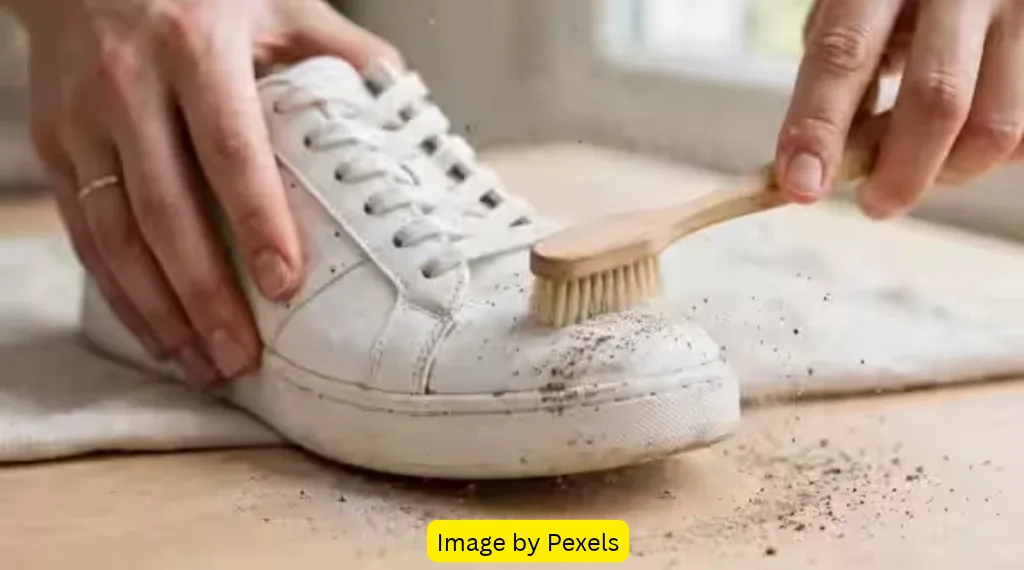
Mud should be allowed to dry before cleaning. Trying to wipe wet mud away can push dirt further into the suede.
Follow these steps:
- Place the sneakers in a dry, ventilated area.
- Wait until the mud has dried completely.
- Use a suede brush to loosen and remove the dried dirt.
- Brush gently in the direction of the nap.
- Use a suede eraser for remaining dry marks if appropriate.
- Brush away any remaining residue.
If a stain remains, use a suede-specific cleaner according to its instructions.
Do not scrub wet mud with a damp cloth or soak the shoe in water.
How to Remove Scuff Marks From White Suede
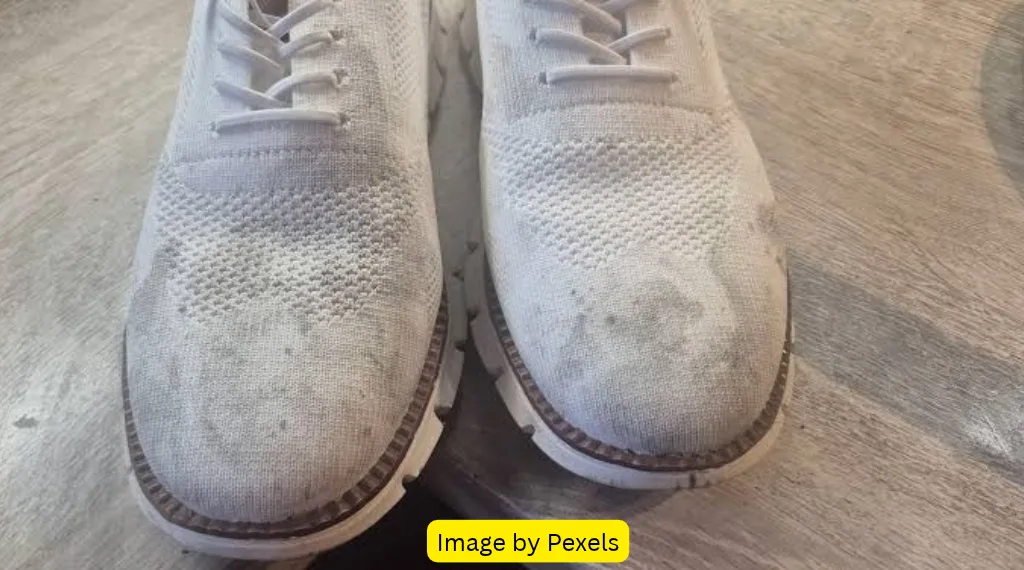
Scuff marks can make white suede look dirty even when the rest of the shoe is relatively clean.
Begin by brushing the affected area gently. This may remove loose particles and lift flattened fibers.
If the mark remains, use a suede eraser with light pressure. Work only on the affected area and check the result frequently.
Finish by brushing the nap gently.
If the scuff is actually a change in the suede fibers rather than transferred dirt, it may not disappear completely through cleaning.
How to Remove Grease Stains From White Suede
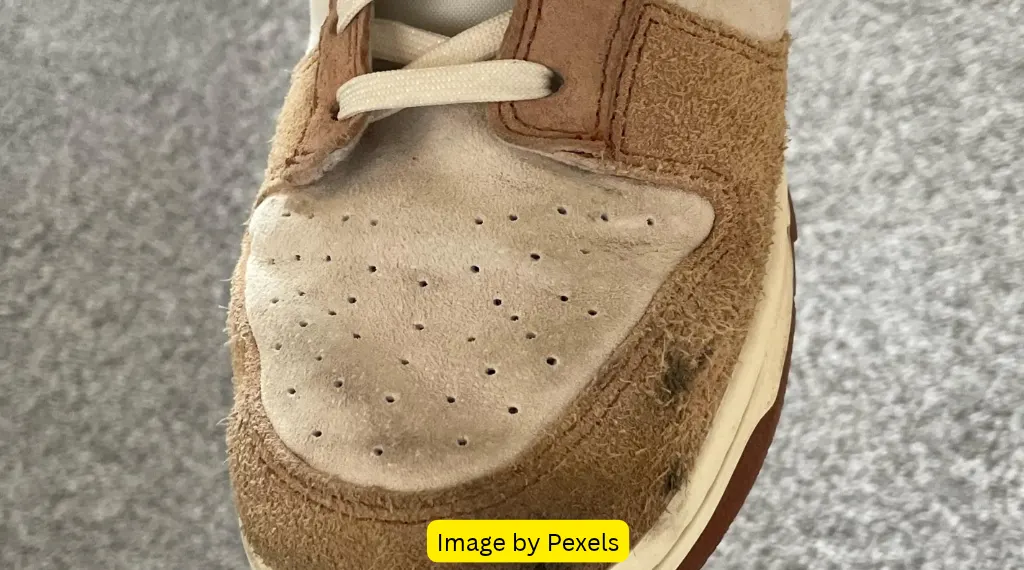
Grease and oil stains are particularly difficult because they can penetrate suede.
Avoid rubbing the stain with water or applying ordinary dish soap directly to the material.
For a fresh oil or grease mark, check whether your shoe manufacturer recommends an absorbent powder or a specialist suede treatment.
Some suede-care guides recommend applying a small amount of an absorbent powder, such as suitable chalk powder, to help draw out surface oil. However, results depend on the stain, suede finish, and product.
If you choose this approach:
- Make sure the shoe is dry.
- Test the method on an inconspicuous area if possible.
- Apply a small amount of the recommended absorbent material.
- Allow it to sit according to the product or care guidance.
- Gently brush it away.
- Stop if the suede changes color or texture.
For an old or deeply absorbed grease stain, a professional suede cleaner may be the safer choice.
How to Remove Watermarks From White Suede
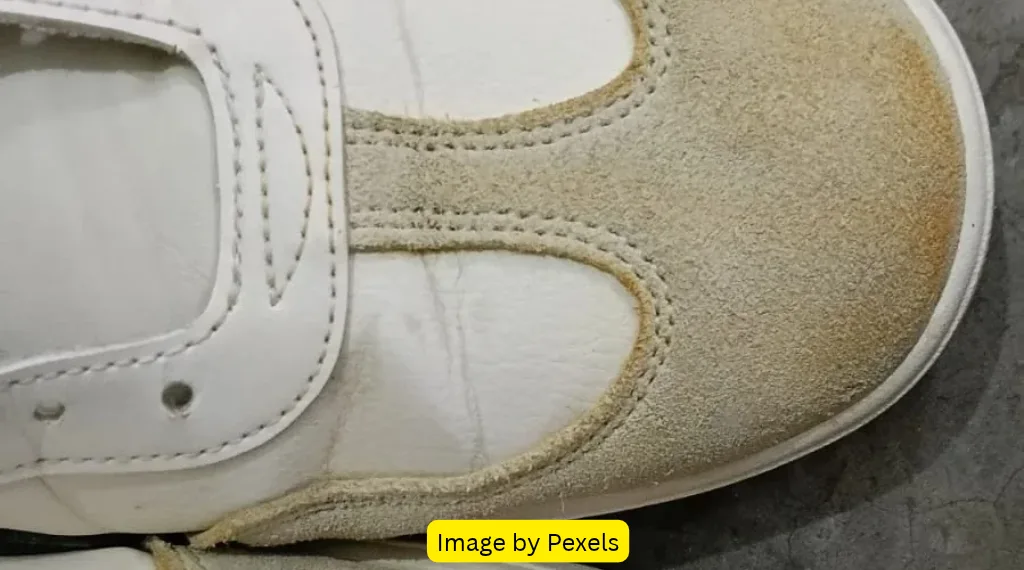
Watermarks can appear when moisture dries unevenly on suede.
Do not immediately apply more water to the entire shoe or scrub the darker area aggressively.
First, let the sneakers dry naturally. Brush the dry surface gently to see whether the appearance improves.
If the watermark remains, consult the manufacturer’s care instructions or a suede-specific cleaning product. Some products are designed to treat water-related marks, but they are not suitable for every suede finish.
Avoid applying vinegar, alcohol, or other household liquids without confirming that they are appropriate for your particular shoes.
For valuable or delicate footwear, professional suede cleaning is often a lower-risk option.
How to Remove Dark Marks From White Suede
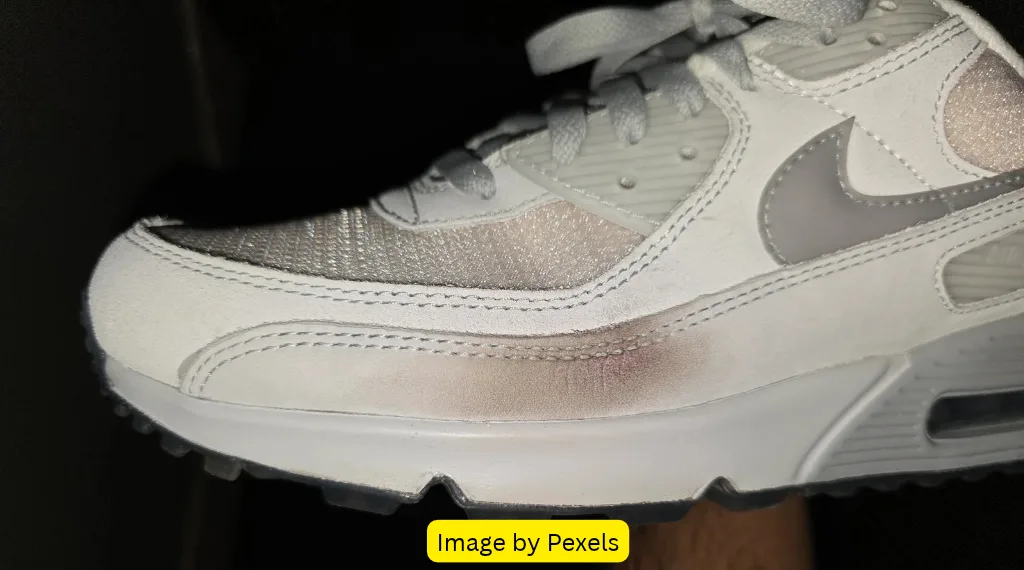
Dark marks may come from dirt, friction, dye transfer, or contact with another material.
Start with a dry suede brush. If the mark is superficial, brushing may remove some of it.
For a remaining dry mark, try a suede eraser gently. Do not repeatedly rub the same area if the texture begins to change.
If the mark appears to be dye transfer or a deep stain, stop before using stronger chemicals. These marks can be difficult to remove without affecting the original color.
A specialist cleaner or professional shoe-care service may be needed.
How to Clean the White Rubber Soles on Suede Sneakers
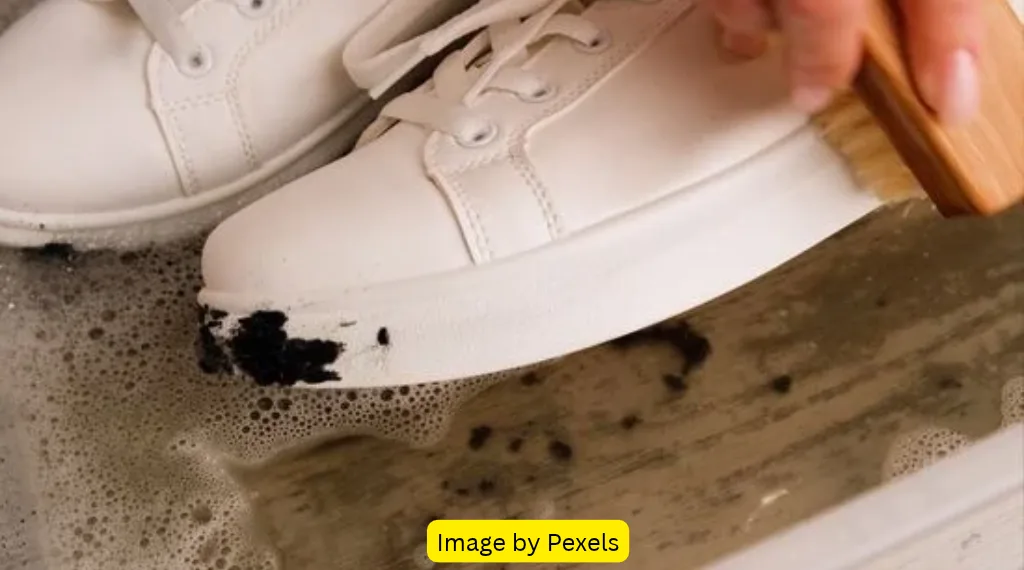
Many suede sneakers have white rubber midsoles or sidewalls. These parts can usually be cleaned separately, which is important because cleaners intended for rubber should not spread onto the suede upper.
Begin by brushing loose dirt away from the rubber.
Then use a damp microfiber cloth with a small amount of mild soap to clean the rubber surface. For stubborn marks, a rubber-compatible cleaning sponge may help.
Keep the sponge away from the suede. Some melamine cleaning sponges are mildly abrasive and may damage the soft upper.
After cleaning, wipe away soap residue with a clean damp cloth and dry the rubber with a towel.
If the rubber is yellowed because of aging or oxidation rather than surface dirt, ordinary cleaning may not restore its original color.
How to Clean White Suede Sneakers Without Water
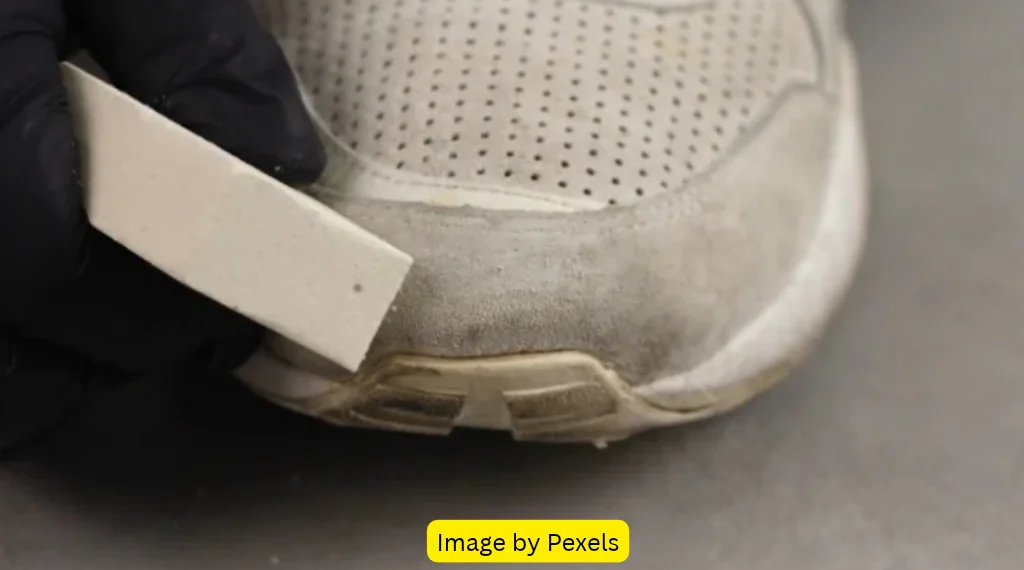
Dry cleaning is often the best starting point for white suede sneakers.
You can remove many common marks without using a liquid cleaner.
Follow this simple routine:
- Make sure the sneakers are completely dry.
- Remove loose dust using a suede brush.
- Brush gently in the direction of the nap.
- Use a suede eraser for small surface marks.
- Brush away the eraser residue.
- Inspect the material before deciding whether further treatment is necessary.
This approach is useful for routine maintenance and light dirt.
However, dry brushing cannot remove every type of stain. Grease, dye transfer, and deeply embedded grime may require a suede-specific cleaner or professional treatment.
Can You Use Baking Soda on White Suede Sneakers?
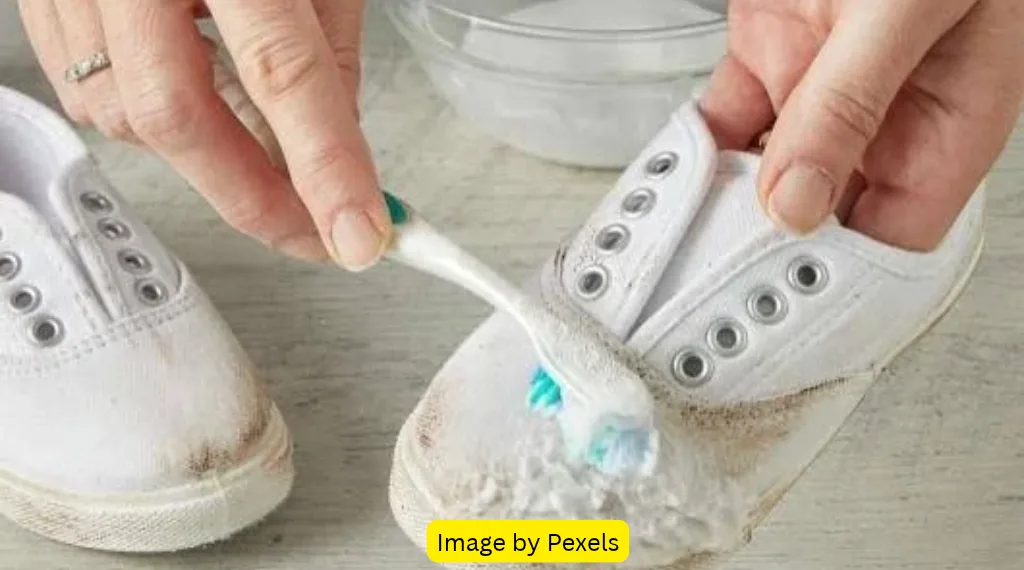
Baking soda is often recommended in homemade shoe-cleaning recipes, but it should not be treated as a universal suede cleaner.
Suede has a delicate surface, and rubbing a powder or paste into it can affect the nap or leave residue.
Some shoe-care guidance mentions absorbent powders for particular grease stains, but that does not mean baking soda is suitable for every white suede sneaker.
For routine cleaning, start with a suede brush and eraser. For stubborn stains, choose a cleaner specifically designed for suede and follow its instructions.
Avoid homemade baking soda pastes that require wet scrubbing or aggressive brushing.
Can You Use Vinegar to Clean White Suede?
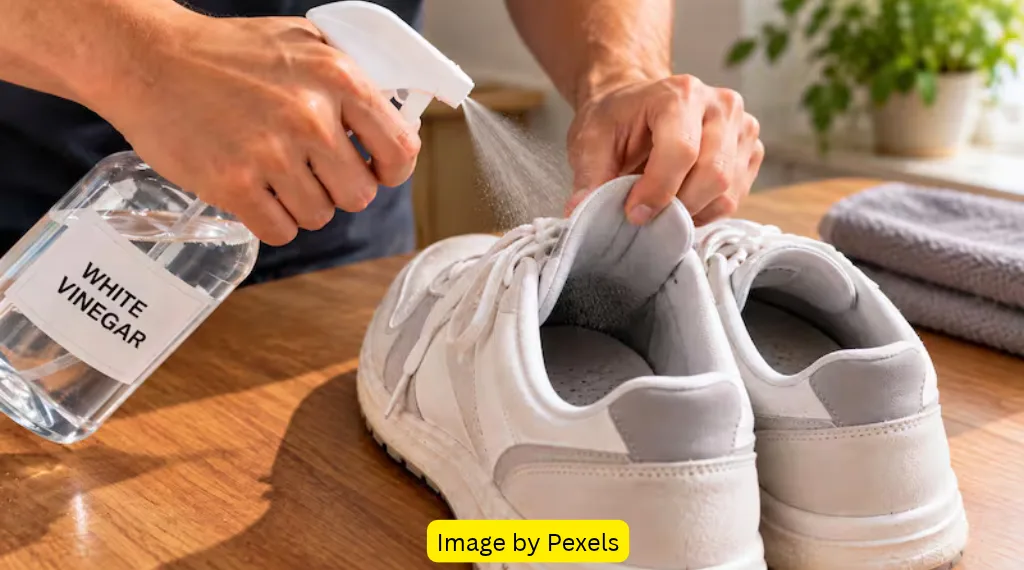
Vinegar is sometimes suggested as a household treatment for suede stains, but it is not guaranteed to be safe for every shoe.
The color, finish, dye, and construction of suede can vary. Applying an unsuitable liquid may create a new mark or change the appearance of the material.
Before using vinegar, check the shoe manufacturer’s care guidance. A suede-specific cleaner is generally a more predictable choice because it is formulated for the material.
If a professional or manufacturer-approved method calls for a particular treatment, test it in a hidden area first and stop if the color or texture changes.
Can You Wash White Suede Sneakers in a Washing Machine?
No. Washing-machine cleaning is not an appropriate routine method for suede sneakers.
The combination of water, detergent, movement, and friction can damage the suede surface. It may also affect the shoe’s shape, construction, and adhesive.
Avoid putting suede sneakers in:
- A washing machine
- A dishwasher
- A tumble dryer
- A basin of soapy water
Clean them by hand using suitable suede-care tools and products.
If your sneakers combine suede with other materials, treat each section according to its own care requirements.
How to Dry White Suede Sneakers After Cleaning
Drying is an important part of suede care. Even if the cleaning process is gentle, improper drying can leave the shoes looking uneven or damaged.
Follow these precautions:
- Blot excess moisture gently with a clean, dry cloth if the cleaner’s instructions require it.
- Place clean, unprinted paper inside the shoes to help maintain their shape.
- Let them dry naturally in a well-ventilated area.
- Keep them away from radiators, heaters, and hair dryers.
- Avoid direct heat and prolonged strong sunlight.
- Wait until the suede is completely dry before brushing it again.
Do not rub the suede while it is wet. Once dry, use a suede brush gently to restore the nap.
How to Protect White Suede Sneakers From Future Stains
Prevention can make suede maintenance easier. Although no treatment makes suede completely stain-proof or waterproof, suitable care products may help reduce the amount of dirt and moisture the material absorbs.
Apply a Suede Protector Spray
A protector spray specifically designed for suede and nubuck may help repel some water and dirt.
Before applying it, check that the product is suitable for white or light-colored suede and compatible with your shoe’s finish.
Follow the label carefully:
- Start with clean, completely dry sneakers.
- Test the spray on a hidden area.
- Check for any color or texture change after drying.
- Apply the product evenly as directed.
- Allow the shoes to dry fully before wearing them.
Do not apply a leather protector unless its label specifically confirms that it is suitable for suede.
Remember that protector sprays do not make shoes waterproof. They also do not eliminate the need for regular cleaning.
Brush the Sneakers Regularly
Use a clean suede brush to remove loose dust and dirt before it builds up.
Gentle routine brushing helps maintain the texture and can reduce the need for more intensive cleaning.
Always brush dry suede and avoid excessive pressure.
Store Them Properly
Store white suede sneakers in a clean, dry, well-ventilated place.
Avoid leaving them in damp areas or tightly sealed containers while they are still moist.
If you have the original shoe box or a breathable shoe bag, use it to protect the sneakers from dust when they are not being worn.
Keep them away from strongly colored materials that could transfer dye onto the light suede.
Avoid Wearing Them in Heavy Rain
Suede is not the best choice for very wet conditions.
When possible, avoid wearing white suede sneakers in heavy rain, muddy areas, or places where they are likely to become soaked.
If they get wet, blot excess moisture carefully and let them dry naturally. Do not use heat to speed up the process.
Common Mistakes to Avoid When Cleaning White Suede Sneakers
The wrong cleaning technique can leave suede looking worse than before. Avoid these common mistakes:
Soaking the sneakers in water: Excessive moisture can create watermarks and affect the texture. Use dry methods first and specialist products only when necessary.
Using a regular stiff brush: A brush that is too stiff can damage the nap. Choose a brush designed for suede.
Scrubbing aggressively: Excessive pressure can flatten fibers and create uneven patches. Use gentle strokes.
Applying bleach: Bleach is not an appropriate general cleaner for suede and can cause discoloration or material damage.
Using ordinary laundry detergent: Detergents intended for clothing are not automatically safe for suede. Choose products specifically designed for the material.
Using baking soda paste: Wet abrasive mixtures can leave residue or affect the surface texture. Avoid treating homemade recipes as universally safe.
Drying with direct heat: Hair dryers, radiators, and other heat sources can affect the material and construction. Allow the shoes to dry naturally.
Using a magic eraser on suede: Melamine sponges are mildly abrasive and are better reserved for compatible rubber surfaces.
Ignoring the care label: Different suede finishes and shoe constructions may have different requirements. Follow the manufacturer’s instructions whenever available.
Frequently Asked Questions
What is the safest way to clean white suede sneakers?
The safest starting point is to let the shoes dry completely, brush away loose dirt with a suede brush, and use a suede eraser for small surface marks. If stains remain, choose a cleaner specifically designed for suede and test it in a hidden area first.
Can I clean white suede sneakers with soap and water?
Ordinary soap and water are not recommended as a general cleaning method for suede. Excessive moisture can cause watermarks and changes in texture. Use dry cleaning methods first and a suitable suede cleaner when necessary.
How do I make white suede sneakers white again?
Start by removing loose dirt with a suede brush and treating dry marks with a suede eraser. If discoloration remains, use a product specifically designed for white suede, following its instructions. Some discoloration may be permanent, so avoid harsh whitening chemicals.
Can I use a toothbrush on white suede sneakers?
A clean, very soft toothbrush may be useful for gentle brushing in small areas, but a proper suede brush is preferable. Avoid stiff bristles and aggressive scrubbing because they can damage the nap.
Can I use a magic eraser on white suede?
A magic eraser is mildly abrasive and is not recommended for routine suede cleaning. It may damage or flatten the suede fibers. Use a suede eraser designed for the material instead.
How do I remove yellow stains from white suede sneakers?
First determine whether the discoloration is dirt, a stain, dye transfer, or material aging. Try gentle dry brushing and a suede eraser for superficial marks. For persistent discoloration, consult the shoe manufacturer’s guidance or a suede-care professional rather than applying bleach or homemade whitening mixtures.
How do I remove grease from white suede sneakers?
Grease stains can be difficult because oil penetrates suede. Check the manufacturer’s instructions and use a treatment specifically suitable for suede. Some care guides recommend absorbent powders for particular oil stains, but the right method depends on the material and stain. For valuable shoes or deep stains, professional cleaning is safer.
Can white suede sneakers get wet?
Suede can tolerate some carefully controlled cleaning treatments, but it should not be soaked. Excessive moisture can cause watermarks and changes in texture. If the shoes get wet, blot excess moisture and allow them to air-dry naturally.
How often should I clean white suede sneakers?
Brush away loose dirt whenever it becomes visible, particularly after wearing the shoes outdoors. A deeper treatment should only be used when necessary. Avoid repeatedly applying cleaning products to suede that is already clean.
Does suede protector spray make sneakers waterproof?
No. A suitable protector spray may help repel some moisture and dirt, but it does not make suede completely waterproof. Follow the product instructions and continue to protect the shoes from heavy rain and wet conditions.
Final Thoughts
White suede sneakers need a gentler cleaning approach than ordinary canvas or leather shoes. Their soft texture can be affected by excess water, harsh chemicals, and aggressive scrubbing, so choosing the right method is essential.
Start with a dry suede brush and eraser for everyday dirt and small marks. When those methods are not enough, use a cleaner specifically designed for suede and follow the manufacturer’s instructions. Allow the shoes to dry naturally and brush them gently afterward to restore their texture.
Regular brushing, suitable protection, and careful storage can help keep white suede sneakers looking cleaner for longer. The key is to avoid rushing the process or using a household cleaning trick that could cause permanent damage.
